Danish Hearts Workshop

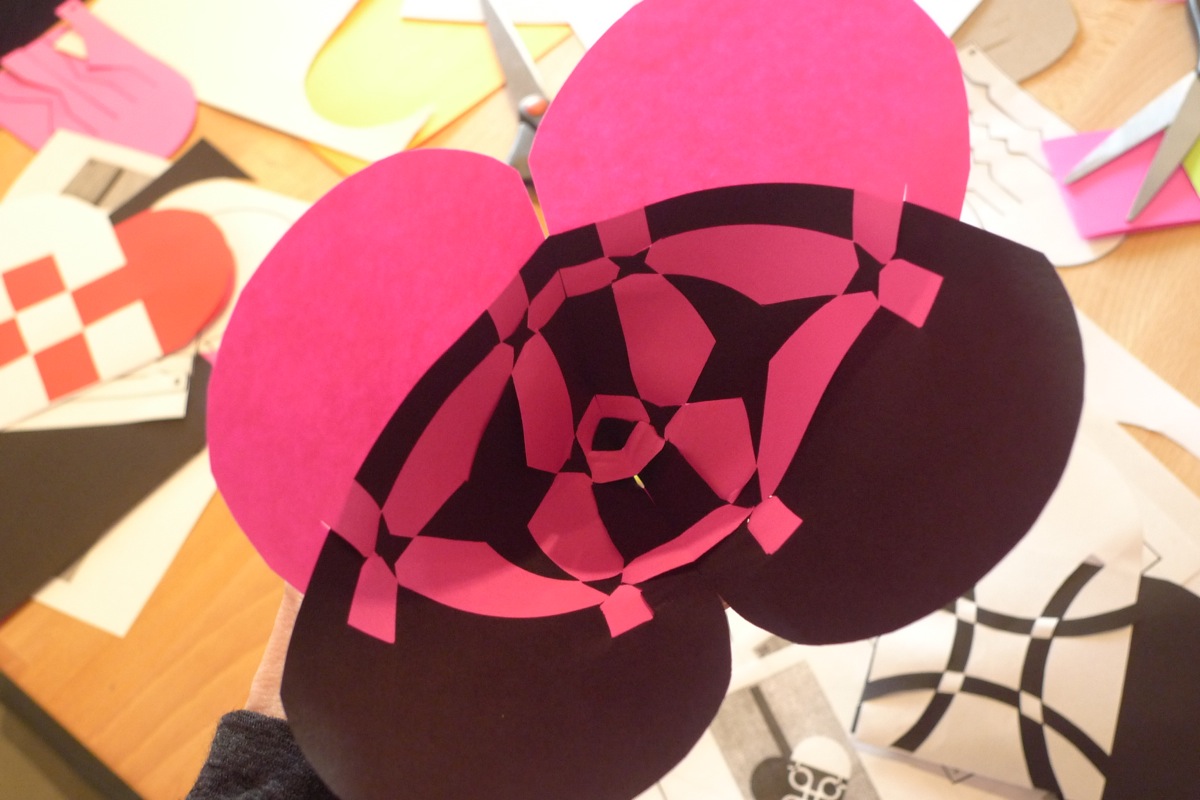
Inside a Danish Heart: The interior universe of a paper confection. IFF Archives, May 2013.

Inside a Danish Heart: The interior universe of a paper confection. IFF Archives, May 2013.

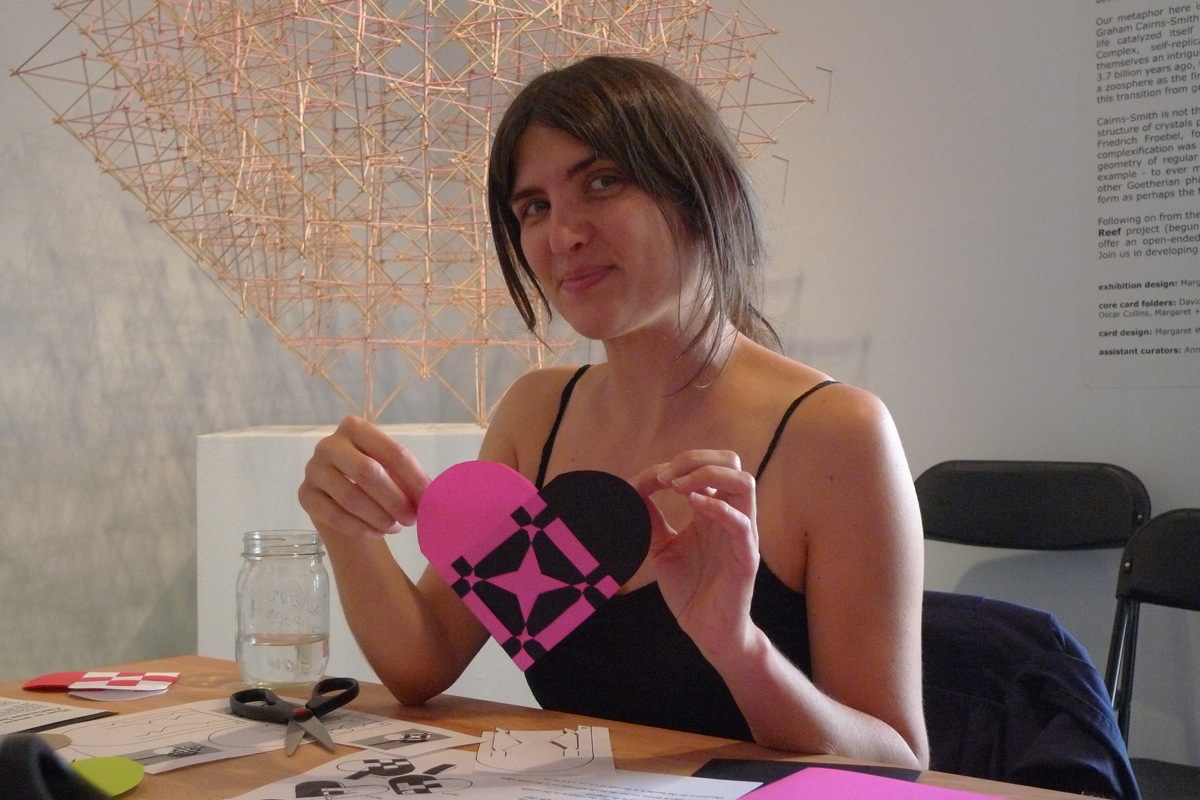
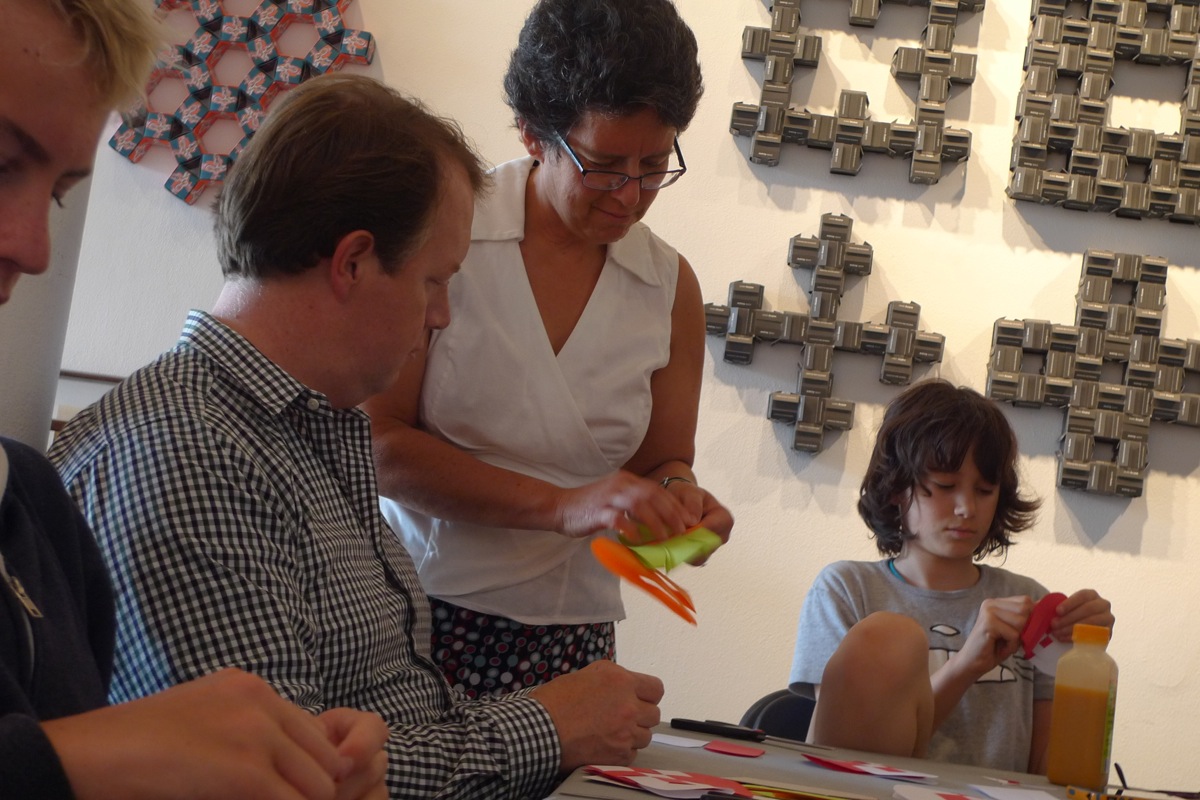
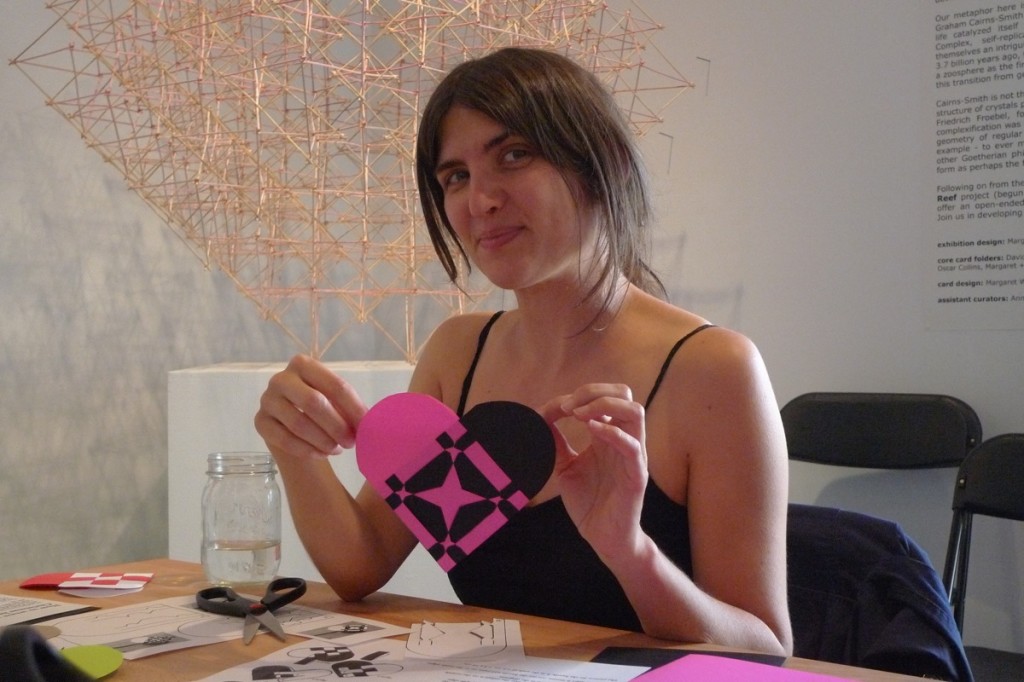
On Saturday May 11, Judy Tanenbaum hosted a workshop on folding Danish paper hearts. Legend has it that these paper confections were invented by fairytale writer Hans Christian Anderson who folded the first simple design for his sweetheart. In modern times the repertoire of heart designs has been expanded into a mind-blowing oeuvre by the Danish artistan Knud Vaegter. These little topological mysteries are a great deal harder to make than it first appears, but the intense satisfaction of getting one done overcame our frustrations and yielded the unexpected marvel of tiny geometric universes in their interiors. The discovery of these miniature inner worlds resulted from the choice of starkly colored and neon-bright papers, bringing to this gentle art touches of a Barbarella aesthetic.

Hearts 8

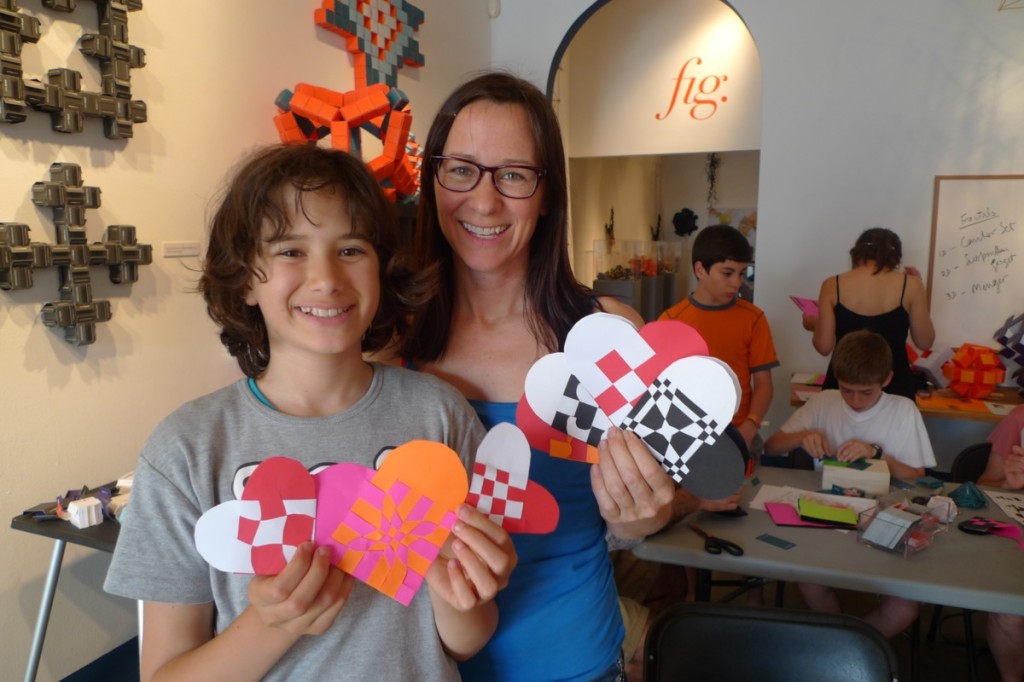
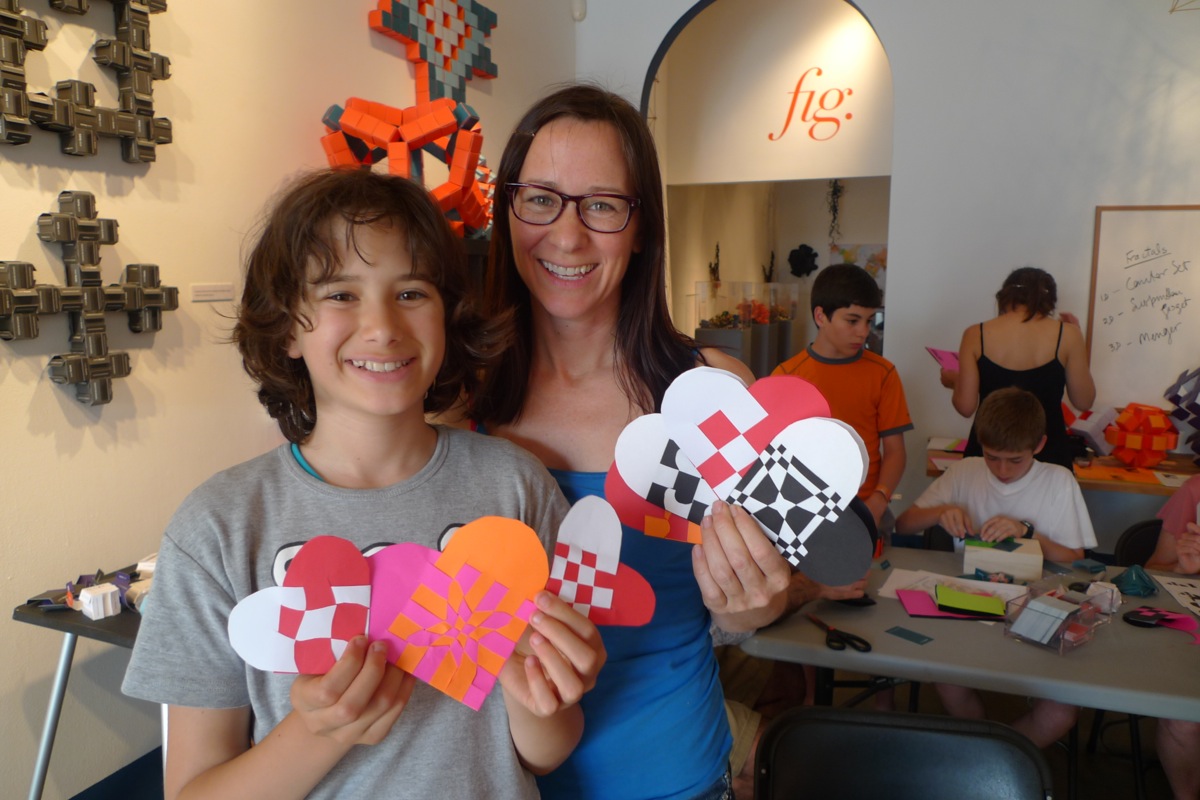
Mother and daughter folders – Mary and PJ – with their beautifully executed hearts at the IFF.


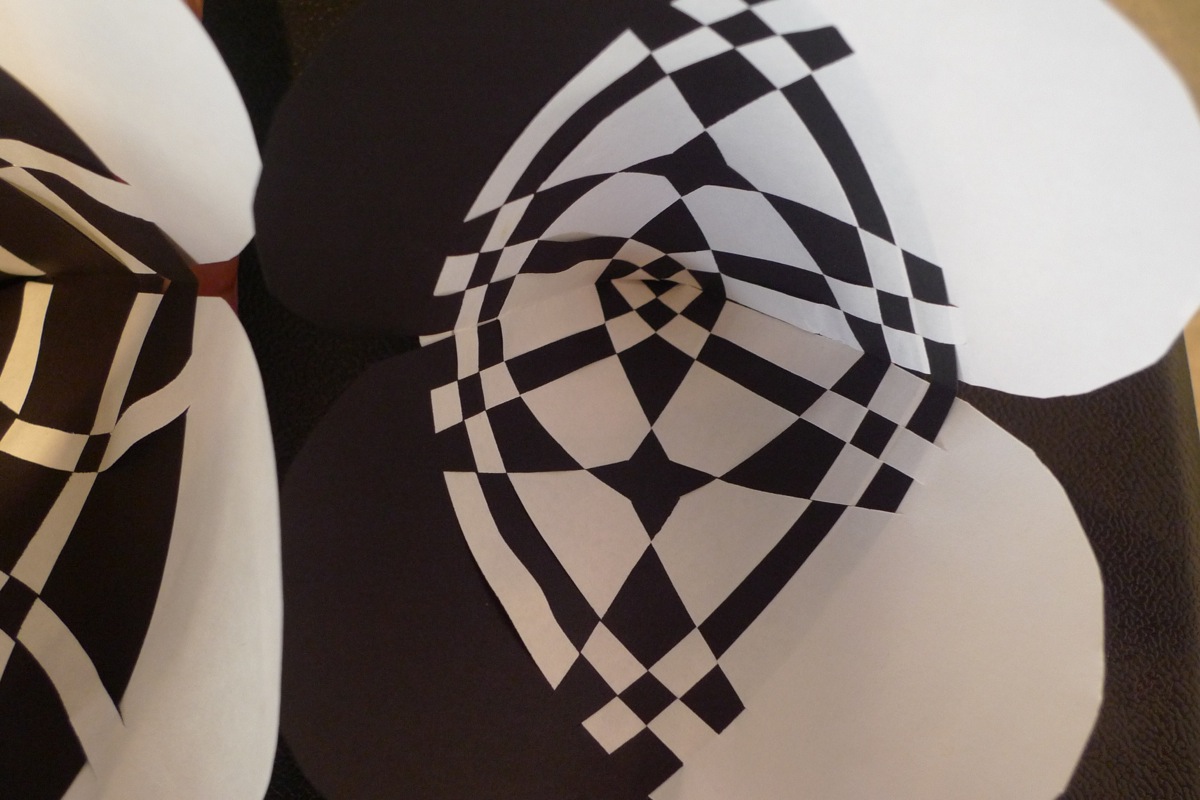
Danish heart in Astrobright papers reveals an interior universe of geometric complexity.

Danish heart in Astrobright papers reveals an interior universe of geometric complexity.

Business Card Origami Animation II

Jun 08 Sat
3:00-6:00pm @ the IFF

Workshop


Camera_(PSF)_snowflakeJoin us for an experiment in mathematical film making. After months of playing with business cards and watching the evolution of gorgeous and unexpected structures emerging from the imagination and skill of our community, we have decided to embark on an experiment. We’re going to make an animation called The Inner Life of Cubes. We request your assistance with the realization of this project.

As fans of animation, we at the IFF have long been interested in the inner life of objects. In this open-ended exploration we aim to discover how cubes can dance. Using business card origami cubes as our basic pixel, we aim to create a short animated film. Inspired by the pioneering work of Dr Jeannine Mosely, creator of the new field of business card origami, we are adding to this novel art form the dimension of time. We need people to fold cubes and make artistic suggestions. This will be a collaborative effort and all folders will be credited on the resulting film.

Please RSVP to mail@theiff.org

Business Card Origami Animation I

Jun 01 Sat
3:00-6:00pm @ the IFF

Workshop


Camera_(PSF)_Jake

Join us for an experiment in mathematical film making. After months of playing with business cards and watching the evolution of gorgeous and unexpected structures emerging from the imagination and skill of our community, we have decided to embark on an experiment. We’re going to make an animation called The Inner Life of Cubes. We request your assistance with the realization of this project.

As fans of animation, we at the IFF have long been interested in the inner life of objects. In this open-ended exploration we aim to discover how cubes can dance. Using business card origami cubes as our basic pixel, we aim to create a short animated film. Inspired by the pioneering work of Dr Jeannine Mosely, creator of the new field of business card origami, we are adding to this novel art form the dimension of time. We need people to fold cubes and make artistic suggestions. This will be a collaborative effort and all folders will be credited on the resulting film.

Please RSVP to mail@theiff.org

8 Origami Octahedra form by Jacob Dotson.

Polyhedral Beading Workshop

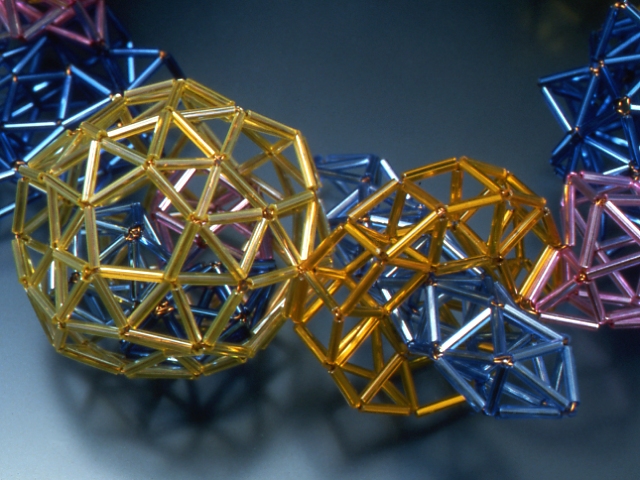
Beaded platonic solids at the IFF workshop by Kathryn Harris. May 3, 2013.

Beaded platonic solids at the IFF workshop by Kathryn Harris. May 3, 2013.

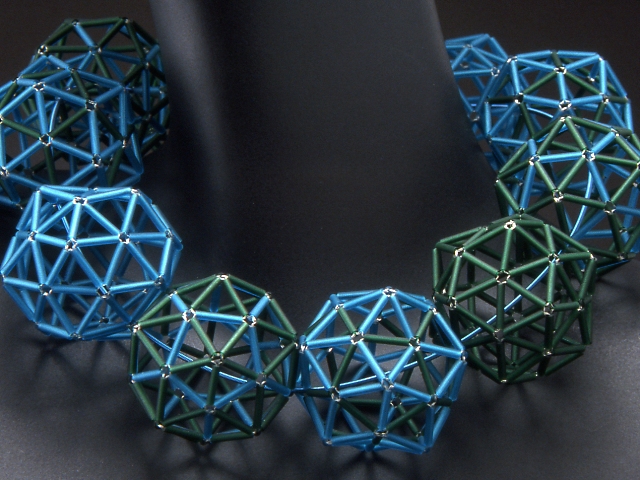
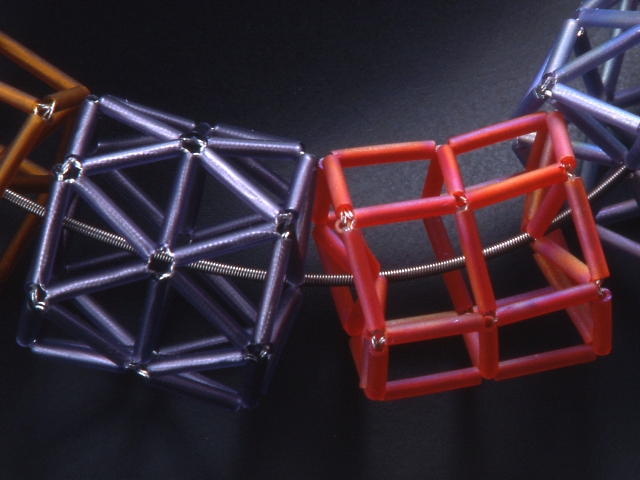
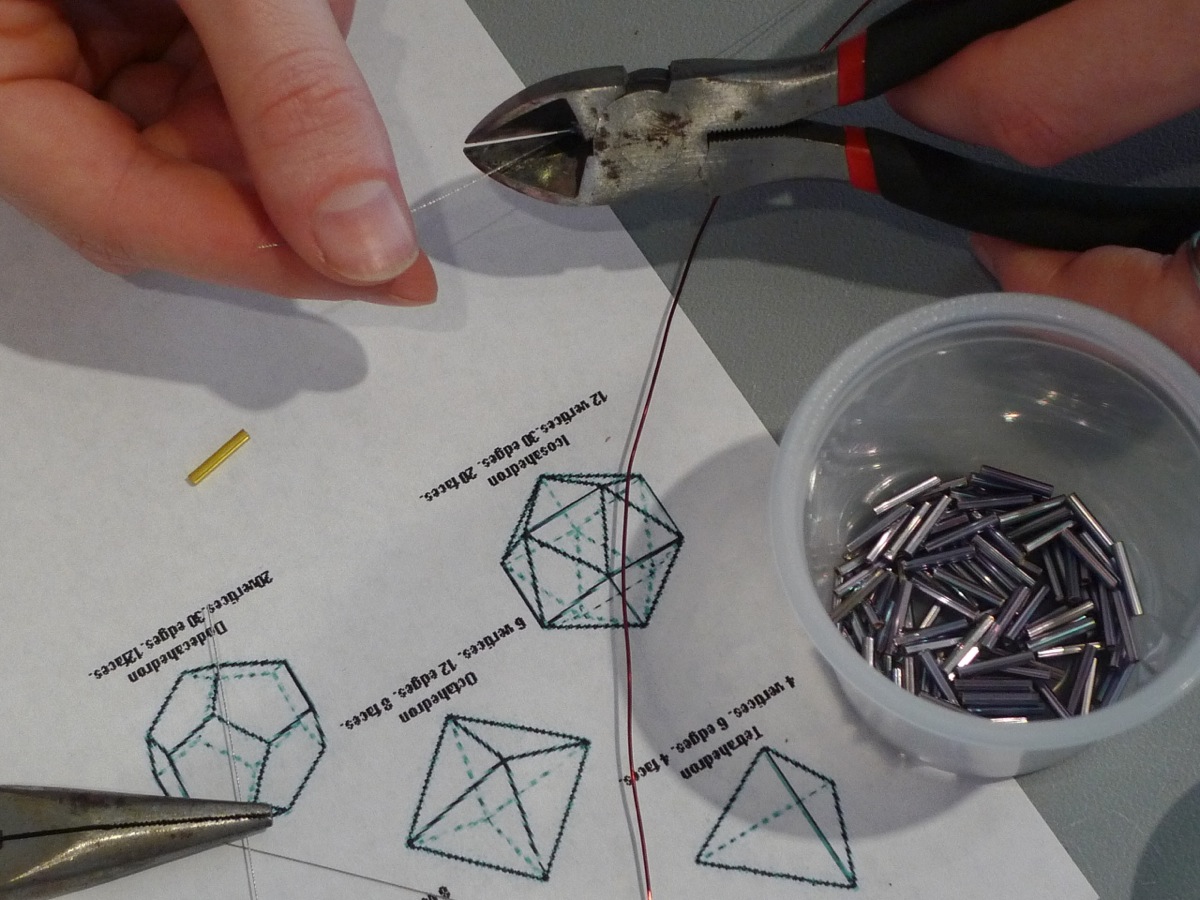
At our workshop on May 3, we learned how to craft platonic solids and other geometric structures from bugle beads. Kathryn Harris, our beading master facilitator, wowed us with this miniature fusion of geometry and craft. Strung together by gossamer-thin wire, the tiny solids seemed to crystalize in our hands reminding us of Plato’s thesis that the basic elements of nature – earth, air, fire and water, plus the ineffable aether – were material incarnations of these perfectly regular mathematical forms.

The Midden Project: Living with Trash

May 18 Sat
2:00-3:00pm @ The New Children's Museum, San Diego

Lecture


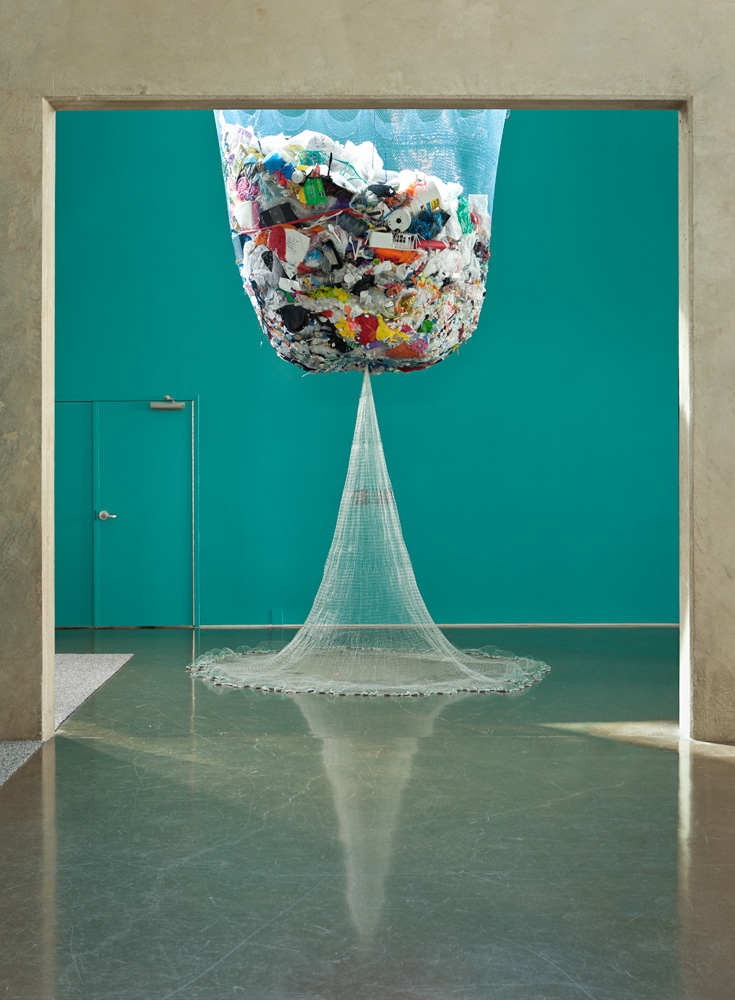
The Midden - two years worth of Margaret and Christine Wertheim's domestic plastic trash.

The Midden – four years worth of Margaret and Christine Wertheim’s domestic plastic trash.

On Saturday May 18, IFF Director Margaret Wertheim will give a public lecture about the Midden Project  at The New Children’s Museum in San Diego. The talk is in conjunction with the Museum’s ongoing TRASH exhibition, which features the IFF’s Midden project as the centerpiece of a show in which artists reflect on rubbish. The core of the IFFs installation is a large sculpture that contains four years’ worth of Margaret and Christine Wertheims’ domestic plastic trash, collected in their home from 2007 – 2011, and hung here in a fishing net, metaphorically referencing a toxic ocean catch.

Supplementing the Midden sculpture is a participatory aspect of the project in which thousands of San Diego children have been making plastic trash “Midden Monsters.” Over the past 18 months more than 7000 children have contributed to an ongoing cloud of trash creations, constituting a child-generated collaborative artwork known as the ‘San Diego Midden’.

Margaret’s lecture will chronicle the Midden and its innovative approach to raising awareness about plastic trash in our seas. The event is part of the NCM’s 5th Birthday celebration.

EVENT FREE:  For adults.

Children's cloud of Midden Monsters at the New Children's Museum, San Diego.

Children’s cloud of Midden Monsters at the New Children’s Museum, San Diego.

Out of Fashion at gl Holtegaard

11 (1) credit Heather Stobo

Coral Forest IV – Videotape, by The Institute For Figuring with Christine Wertheim and Evelyn Hardin. Photo by Heather Sobo.

Two sculptures from the IFF’s Coral Forest series are included in the Out of Fashion exhibition that is currently on view at the gl Holtegaard Museum in Copenhagen. Later in the summer the show will travel to the KUNSTEN Museum of Modern Art in Aalborg, Denmark. In the curator’s words,

Out of Fashion points to the link between art and clothing and to the handicraft itself as a typically female occupation. Precisely handicraft – embroidery, crochet work and sewing have in recent years become synonymous with a kind of anti-art, or rebel-art, where female artists use the craft to convey political and social messages.

The Coral Forest is a recent outgrowth of the IFF’s Crochet Coral Reef, merging the original project’s delicate and refined sensibility with the colossal and punk rock. Artists in the exhibition are Alice Creischer (D), Brian Getnick (US), Cosima von Bonin (D), Elmgreen & Dragset (DK/NO), Erwin Wurm (A), Grayson Perry (UK), Gudrun Hasle (DK), Hotel Pro Forma (DK), Institute For Figuring (US), Kaarina Kaikkonen (FIN), Lilibeth Cuenca Rasmussen (DK), Maiken Bent (DK), Moran Sanderovich (IL), Nicholas Hlobo (ZA), Yinka Shonibare MBE (UK), Zac Monday (US).

The work pictured above and Requium Reeficus by Dr. Axt for the Institute For Figuring are the two sculptures included in the exhibition.

Abu Dhabi

Grand Mosque in Abu Dhabi.

Sheikh Zayed Grand Mosque in Abu Dhabi. Photo © IFF Archives.

IFF Director Margaret Wertheim has just returned from an exploratory trip to Abu Dhabi where discussions are underway about the possibility of doing a Satellite Reef of our Crochet Coral Reef project in the United Arab Emirates. Islamic culture has had a long and deep engagement with mathematical tessellation patterns, which traditional artisans realize in a vast array of media, from terra-cotta mosaics to relief carved marble and exquisitely detailed inlaid stone-work. Here in the Sheikh Zayed Grand Mosque, Islamic engagement with tessellations is magnificently on display. This is one of the mosque’s 82 domes, the foremost of which are adorned with some of the world’s largest  and most intricate chandeliers. Islamic tessellations are featured in the IFF’s current Making Space exhibition, which has mathematical tilings as one of its core themes.

Danish Hearts – improbable paper topology

May 11 Sat
3:00pm - 6:pm @ The IFF

Workshop


Danish paper hearts workshop.

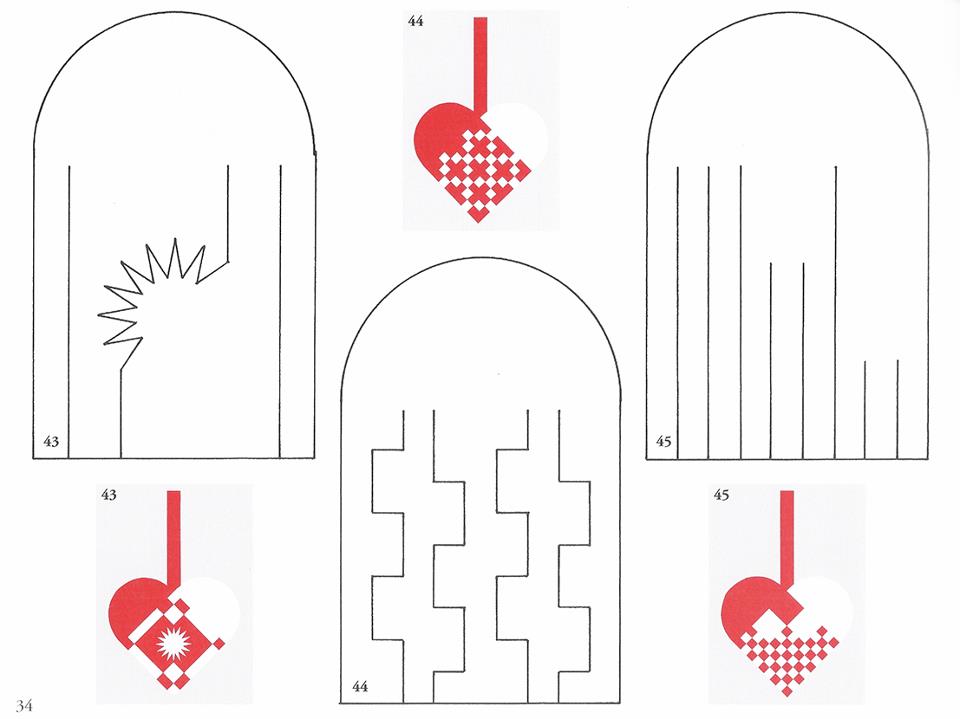
Danish hearts woven from paper at first appear to be a topological impossibility. Two paper pieces are magically interwoven to form a basket-shaped network. Seeing one for the first time, without having observed its construction, a typical reaction is: “How can that be?” Figuring out the puzzle for oneself is an energizing mental exercise. First described by the Danish writer Hans Christian Andersen in his 1845 story The Fir Tree, these clever paper confections have become a beloved handicraft across the Nordic world. Once one understands the key, ever more complex designs can be constructed. In this workshop  — part of our ongoing Making Space series of mathematical construction events — we will learn the basic techniques of paper heart construction and then embark on an open-ended exploration to see if we can find new and unexpected forms. The workshop will be led by math and craft enthusiast Judith Tanenbaum.

Suggested Door Donation: $15. Materials and patterns will be provided.


Please RSVP to anna@theiff.org.

Judith Tanenbaum
is a math enthusiast with a long-standing interest in patterns, origami, and birthdays.  She enjoys the thrill of numeric palindromes on her odometer, celebrating pi day, and folding gum wrapper chains.  Her great hope is that the US will convert to the metric system in her lifetime.
 

Designs for Danish paper hearts from the classic book "

Designs for Danish paper hearts from the classic book “How My Mother Taught Me To Weave Christmas Hearts” published by the Museet Falsters Minder with patterns by Knud Vaegter. This delightful guide contains a brief history of this traditional craft along with 150 patterns for a stunningly diverse array of hearts – from a classical angel-themed design to little modernist masterpieces.


EVENT REPORT:
Inside a Danish Heart: The interior universe of a paper confection. IFF Archives, May 2013.

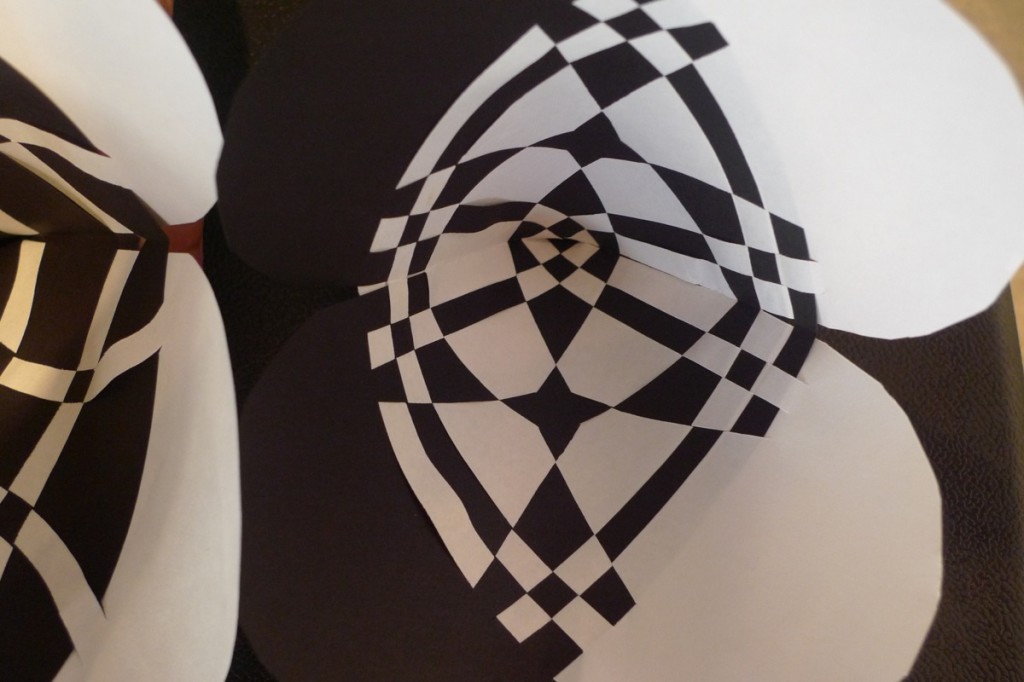
Inside a Danish Heart: The interior universe of a paper confection. IFF Archives, May 2013.

Who would have thought that making a paper heart could be so challenging? Simple hearts are easy enough, once one grasps the basic assembly algorithm, but more complex designs are surprisingly hard, requiring mental and physical dexterity. Knut Vaegter’s beautiful designs inspired us all and our patience was rewarded when we opened our hearts and discovered unexpected geometric patterns within, as if each heart contained a miniature kaleidoscopic universe. Traditionally, Danish hearts are woven from paper that is only colored on one side, with white on the backside, thereby making for an all-white interior. By using brightly colored copy paper, plus black+white stock we revealed an  interior beauty as well.
Hearts 6

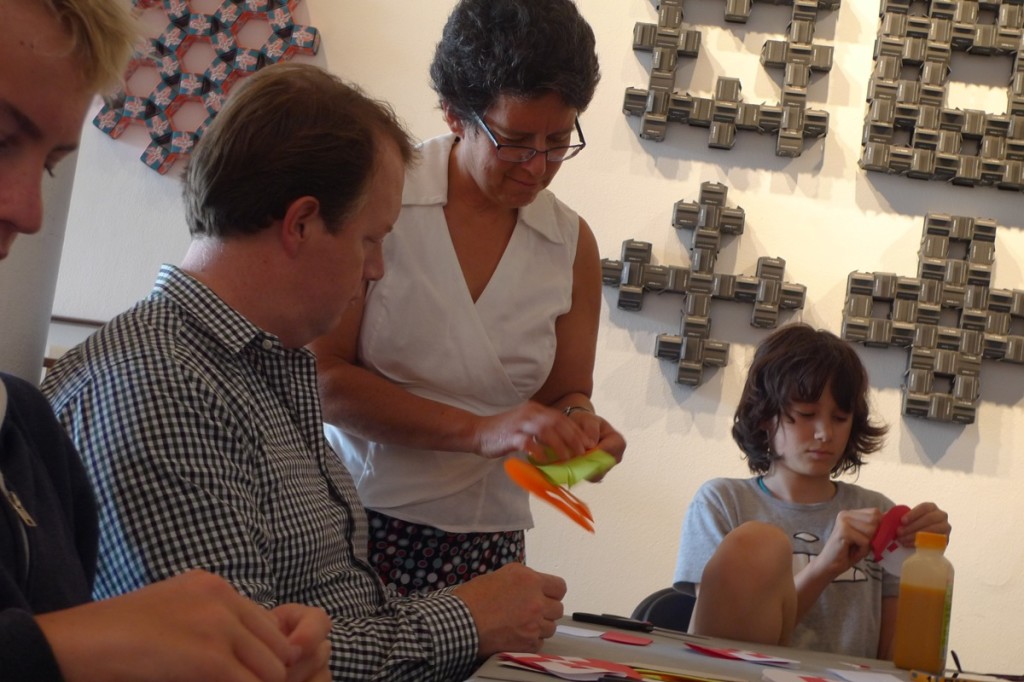
Judy Tanenbaum teaching Danish Hearts workshop at the IFF, May 2013.
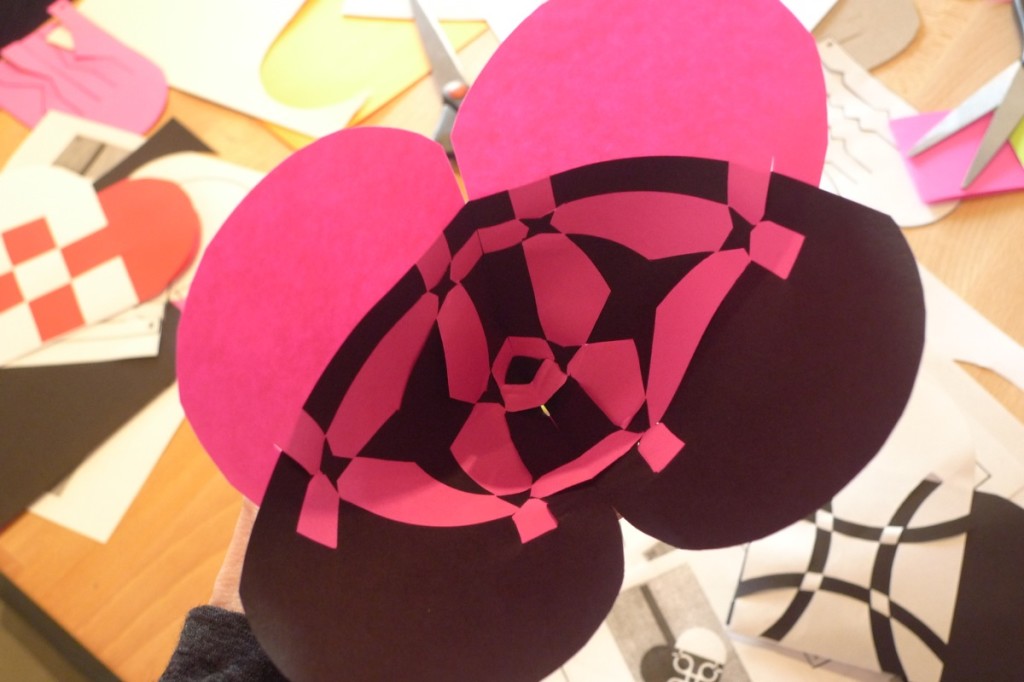
Danish heart in Astrobright papers reveals an interior universe of geometric complexity.
Danish heart in Astrobright papers reveals an interior universe of geometric complexity.

Hearts 8

Mother and daughter folding team – Mary and PJ – at the IFF, May 2013.

For those who’d like to know more about this complex, ever-expanding art form, we recommend the website PaperMatrix, by Danish crafters Lena and Anna Schepper. Here you can see an astounding array of patterns for incomparably beautiful and complicated hearts, cones, balls and other paper constructions. A whole universe of topological marvels awaits. Be daring, be bold, try some of these for yourself. At the IFF we intend to challenge ourselves for our 2013 Christmas Tree.
Polyhedral Beading

May 04 Sat
3:00pm - 6:00pm @ The IFF

Workshop


Beaded buckyballs by Kathryn Harris.

Beaded buckyballs by Kathryn Harris. Photo courtesy the artist.

Join us for a workshop to learn how to bead polyhedral structures. Conducted by master beader Kathryn Harris from the Fiber Studies program at San Diego State University, this one-off workshop will provide an introduction to the art of making platonic solids and other polyhedral forms from beads. We will start by making pyramids and cubes and then progress to more complex shapes, such as spheres, hoops and barrels. These small sculptures can function well as jewelry, hung on chords as pendants or arrayed into necklaces and bracelets. Equally they can be enjoyed for their mathematical beauty and the workshop will entail a discussion of the geometry behind the famous “Platonic solids”. Experienced beaders and novices alike are welcome. No prior experience is necessary.

Suggested Door Donation: $15. All materials will be supplied. 

Please RSVP to anna@theiff.org

You are welcome to bring your own beads. Beading tools will be supplied; but please bring your own needle-nosed pliers and wire-cutters if you have them.

Beaded cubes by Kathryn Harris.

Beaded cubes by Kathryn Harris. Photo courtesy the artist.

The sculptural fiber work of Kathryn Harris has been exhibited nationally and internationally. It has been documented in publications such as The Art of Beadwork by Valerie Hector and two books by Arline Fisch, Crocheted Wire Jewelry and Textile Techniques in Metal. Kathryn teaches classes in Fiber Construction and Surface Design and heads the Fiber Studies program in the Department of Art, Design and Art History at San Diego State University.
Beaded polyhedra by Kathryn Harris.

Beaded polyhedra by Kathryn Harris. Photo courtesy the artist.


EVENT REPORT:

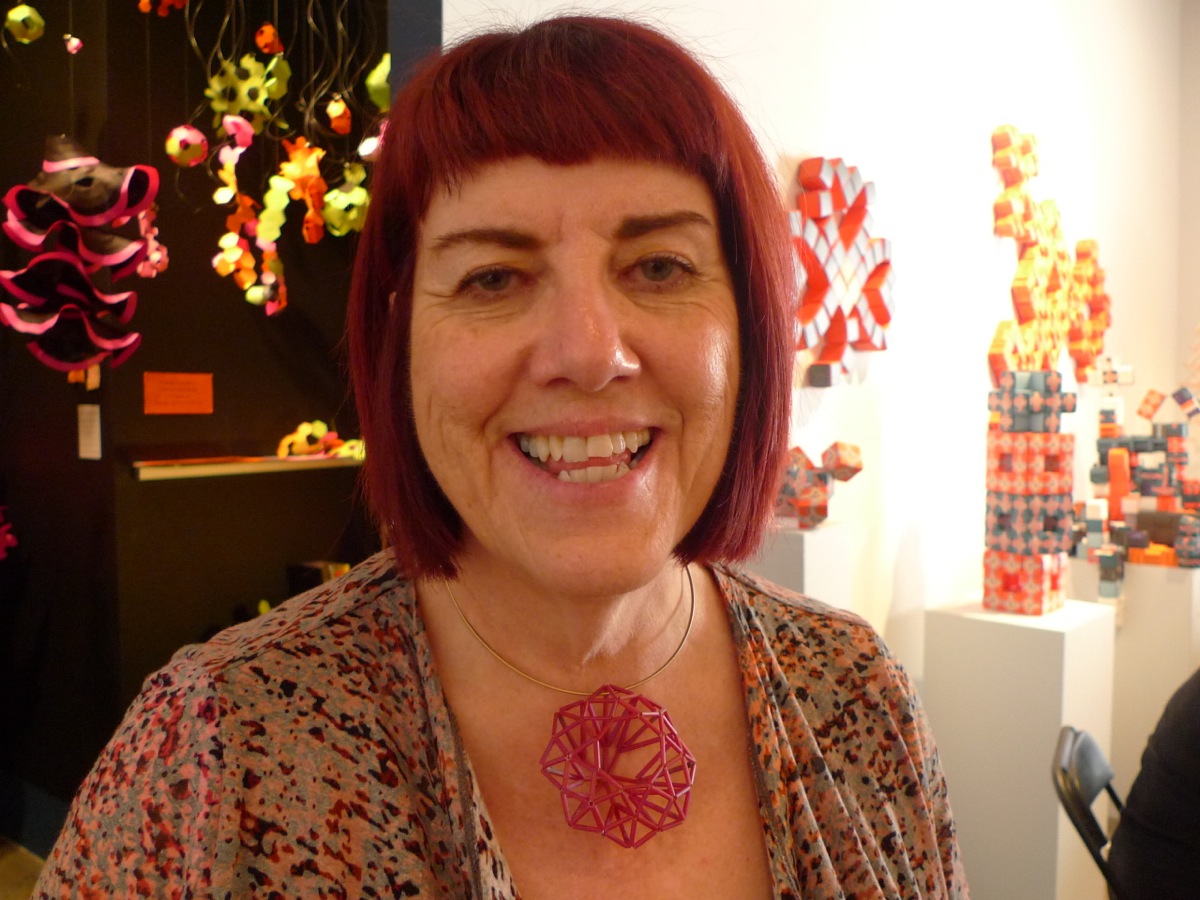
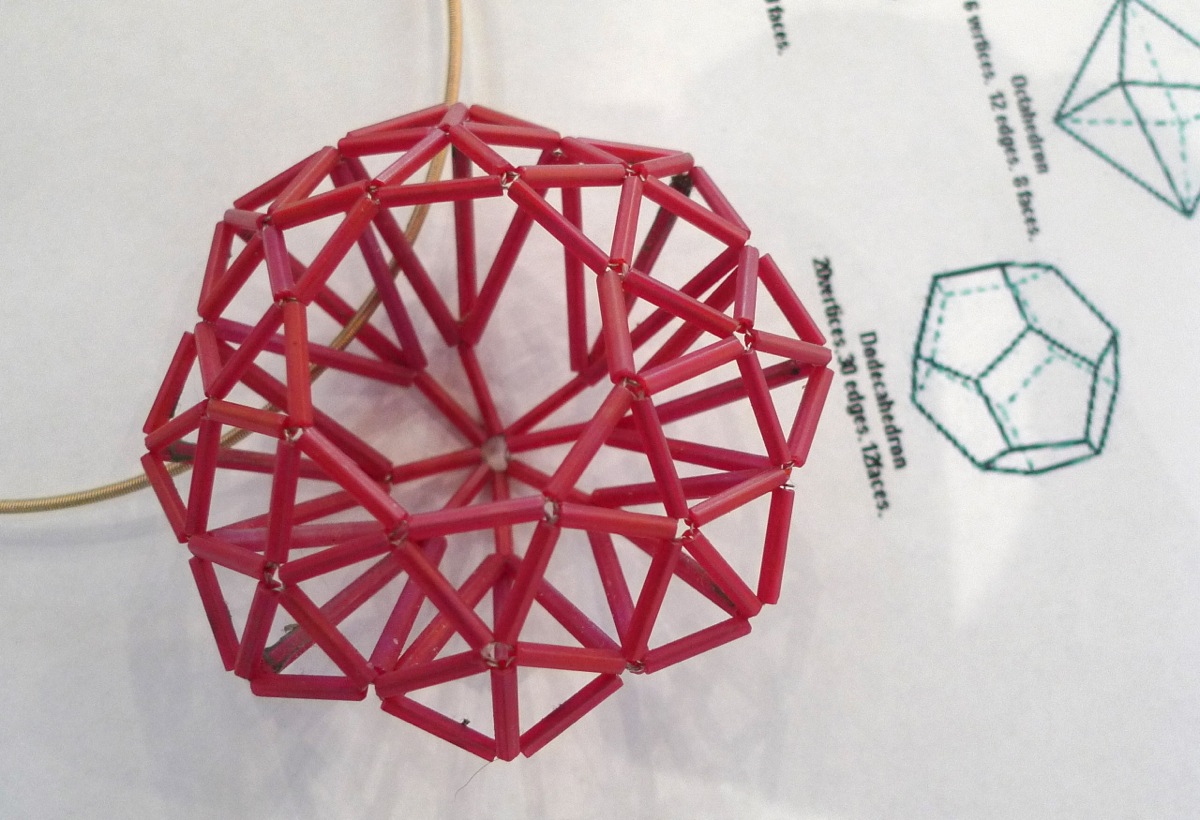
Beading platonic solids turned out to be an extremely satisfying, if technically challenging experience. Once we got the hang of wire threading, participants quickly turned out miniature models of tetrahedrons, cubes and octahedrons. Some tackled the challenging icosahedron and a few people mastered the dodecahedron. Harris wore an elegant red bugle bead pendant designed in the proportions of a “perfect cut” diamond, whose geometry is carefully calibrated to maximize the stone’s property of complete internal reflection. Harris explained that it is her substitute for the real thing: “I love diamonds,” she said, “and this is a way to avoid the blood diamond trade.”

Polyhedral beading workshop at the IFF, May 2013.

Polyhedral beading workshop at the IFF, May 2013.

Kathryn Harris wearing her "perfect cut diamond" necklace at the IFF.

Kathryn Harris wearing her “perfect cut diamond” necklace at the IFF.


Perfect cur diamond pendant made from bugle beads and wire by Kathryn Harris.

Perfect cur diamond pendant made from bugle beads and wire by Kathryn Harris.

Going to the Hayward

Dodecahedrons crafted out of paper awaiting assembly into proton model by Philip Blackmarr.

Dodecahedrons crafted out of paper awaiting assembly into models of atomic nuclei by Philip Blackmarr. Photo © IFF Archive.

During summer 2013, the IFF will be participating in an exhibition at the Hayward Gallery in London. Titled, An Alternative Guide to the Universe, the exhibition will display works by outsider artists, scientists, engineers, architects, linguists and other self-taught thinkers. IFF director Margaret Wertheim is curating the section on outsider physics, which will present works and theories by Jim Carter – the main subject of the IFF’s 2012  exhibition Physics on the Fringe – and Philip Blackmarr, a remarkable theorist we have recently come to know in Pasadena.

Recently Philip stopped by with some of his exquisite models of subatomic particles crafted from thousands of pieces of paper folded into tiny semi-regular solids such as the cube-octahedrons pictured above. These complex and enchanting models illustrate Blackmarr’s theory of Quantum Geometry which offers an alternative to standard quantum theory. Quantum Geometry posits that all matter particles are composed from subatomic arrays comprised from minute octahedra arranged into various three-dimensional lattice-like patterns. We’ll be posting more about Blackmarr’s work then the Hayward show opens in June.

Philip Blackmarr with his model of a proton.

Philip Blackmarr with his model of a proton made from an array of 1836 octahedron-shaped units. Photo circa 1995, courtesy of Philip Blakmarr.